Houseplant Collection Illustration Review for Real Projects
As a designer who frequently works with embroidery files for custom apparel and handmade products, I always take time to evaluate the practicality of a design before committing it to a real project. The Houseplant Collection Illustration caught my eye for its clean, stylized approach to botanical themes—perfect for today’s market where plant lovers are everywhere. But beyond the visual charm, how does this illustration translate into actual stitched results? Let’s break it down.
A Fresh, Modern Botanical Vibe
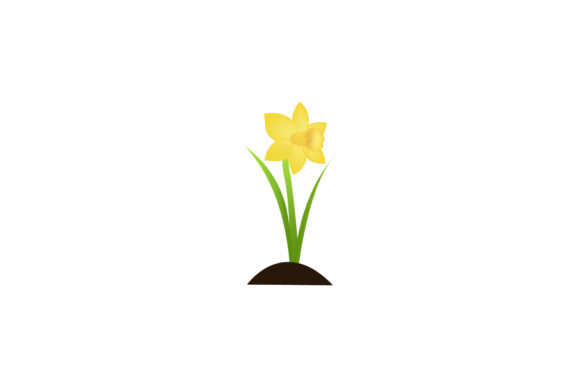
The first thing that stands out about Houseplant Collection Illustration is its mood. It feels contemporary yet cozy, like a curated set of houseplants in a sunlit studio apartment. The layout is balanced, with each plant given enough space to breathe without being too sparse. The shapes are smooth and well-defined, making it ideal for designs that need to feel intentional and high-quality.
I especially appreciate how the details are handled. While there's enough intricacy to show off the design’s quality, it doesn’t get bogged down by unnecessary complexity. This makes it versatile across different embroidery applications—from embroidered patches to tote bag designs. It’s clear this illustration was made with both aesthetic appeal and functionality in mind.
Who This Design Is For
This digital embroidery file is a great fit for crafters, apparel decorators, and Etsy sellers looking to add a touch of nature to their handmade product line. Its openable and editable format means you can tweak elements like spacing or scale without losing clarity, which is essential when adapting the design to various hoop sizes or garment types.
Real-Life Use: Custom Sweatshirts and Tote Bags
Let me walk through a typical use case. Imagine you're creating a custom sweatshirt for a boutique client. They want something that speaks to their brand’s eco-conscious values and interior design niche. You open the Houseplant Collection Illustration in Adobe Illustrator and start resizing it to fit the chest area. The vector-based format allows for seamless scaling, so you’re not worried about pixelation or distortion.
When you transfer the design to your embroidery software, the stitch paths look consistent and logical. The leaves flow naturally, and the pots have solid outlines that would stitch cleanly. You decide to test it on a cotton sweatshirt fabric using a medium-density satin stitch around the main plant silhouettes and fill stitch for the background elements. After running a sample on scrap fabric, the result looks promising—clean lines and good coverage without overwhelming the material.
You also consider using this illustration as part of a tote bag design. The openability of the file helps you adjust the placement of the plants to complement other text or graphics. The design maintains its crispness even after resizing, which is important for ensuring the final product looks professional and polished.
Where to Use With Caution
While the Houseplant Collection Illustration is flexible and beautiful, there are some situations where it may require extra attention:
- Small hoop sizes: If you plan to use this on an embroidered patch or a cap, make sure to zoom in and assess if the smallest details will still be legible at reduced scales.
- Textured fabrics: On materials like linen or canvas, the fine lines might become less distinct unless you adjust stitch density or use stabilizer.
- Stretchy or thin fabrics: These can cause distortion or puckering in dense areas. A light stabilizer could help maintain shape and detail.
- Dark fabric backgrounds: The color contrast between the design and dark base fabrics might need to be adjusted. Consider using white or light-colored threads for visibility.
- Curved surfaces: Embroidering on curved items like caps or sleeves requires careful alignment. The illustration’s symmetry helps here, but always double-check the layout.
- Frequent washing: If the design is going on baby clothes or kitchen towels, ensure that thread colors and stitch density won’t degrade over time.
These aren’t deal-breakers, but they do highlight the importance of testing the design before mass production or selling finished items.
Design Impact on Product Value and Customer Appeal
In terms of visual appeal, the Houseplant Collection Illustration brings a sense of calm and creativity to any project. Whether it's a personalized gift or a commercial item, the design adds a layer of sophistication that appeals to a broad audience—especially those into home décor and wellness themes.
Stitching clarity is another key factor. The illustration’s structure supports clear separation between satin stitch and fill stitch areas, which is crucial for maintaining definition on garments or soft goods. When paired with the right thread colors and stabilizers, the end result has the potential to elevate your handmade product from simple to standout.
For Etsy sellers and small shop owners, this kind of design contributes to brand consistency. It’s reusable, editable, and scalable, meaning you can apply it across multiple product types while keeping your brand identity cohesive. That’s big when it comes to customer recognition and trust.
Professionalism Meets Personalization
One of the things I love about this illustration is how it bridges the gap between personal and professional projects. As an embroidery project, it feels like a premium asset, suitable for commercial embroidery work. Yet it also retains the warmth needed for personalized gifts or holiday embroidery.
If you're planning to create a nursery decor piece or a baby item, the design’s gentle curves and organic forms will blend seamlessly into such a setting. It’s subtle enough to avoid overpowering the piece but detailed enough to catch the eye.
Designer Notes for Optimal Results
Here are some tips I’ve gathered from using this design in real-life scenarios:
- Test on scrap fabric first: Especially if you're planning to use it on stretchy or delicate materials.
- Check thread color contrast: Make sure the colors pop against your chosen fabric. Use black and white mockups to simulate low-light environments.
- Review stitch density: Dense areas can cause puckering or stiffness. Adjust settings based on fabric type and desired outcome.
- Confirm hoop size: Resizing is possible, but always verify that the new dimensions fit comfortably within your machine’s capabilities.
- Inspect small details: Zoom in on the illustration to see if tiny features like leaf veins or pot textures will hold up post-stitching.
- Use proper stabilizer: This is critical for maintaining the integrity of the design, especially on thinner or stretchier materials.
- Verify licensing: Before selling finished items or digital products, ensure the license permits commercial use. If not, this illustration may only be suitable for personal or educational purposes.
Also, keep in mind that this is a digital embroidery file, not a pre-made graphic. That means you’ll likely want to combine it with other elements or modify it slightly to suit your project. The fact that it's editable gives you more control, but it also means you should spend time refining it to match your style and needs.
Final Thoughts for Creative Entrepreneurs
The Houseplant Collection Illustration is a strong addition to any designer’s library, particularly for those working with botanical themes or lifestyle-oriented products. Its adaptability across formats and platforms makes it a valuable design asset for both personal and commercial use.
However, as with all machine embroidery designs, context matters. What looks great in a preview might behave differently once stitched. Always take the time to experiment, especially if you're integrating the design into a larger collection or branding system.
Whether you're a seasoned embroiderer or just starting out, this illustration offers a fresh perspective on how botanical motifs can be used effectively in handmade products. Just remember to treat it like a real project from day one—because that’s exactly what it is.