Mandala Flower: A Versatile Graphic Design Asset for Creative Projects
As a seasoned graphic designer, I’m always on the lookout for design assets that can elevate a project from good to exceptional. Recently, I came across Mandala Flower, an icon-style graphics bundle that caught my attention with its intricate patterns and natural aesthetic. Before integrating it into a real client project for a handmade boutique brand launching seasonal merchandise, I wanted to thoroughly assess its usability, adaptability, and visual impact.
First Impressions: A Harmonious Blend of Art and Meaning
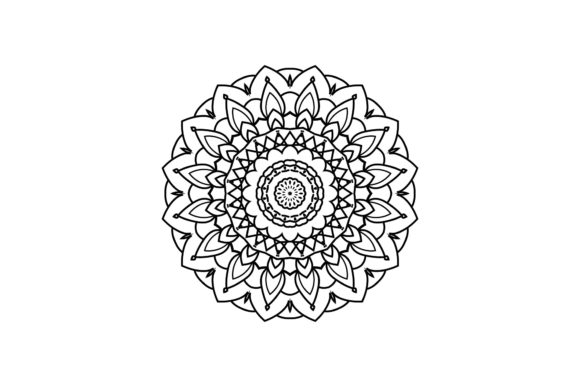
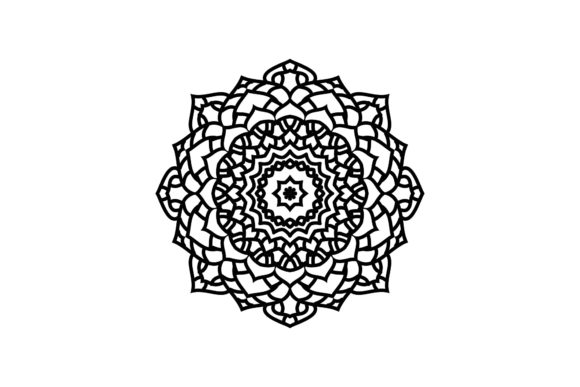
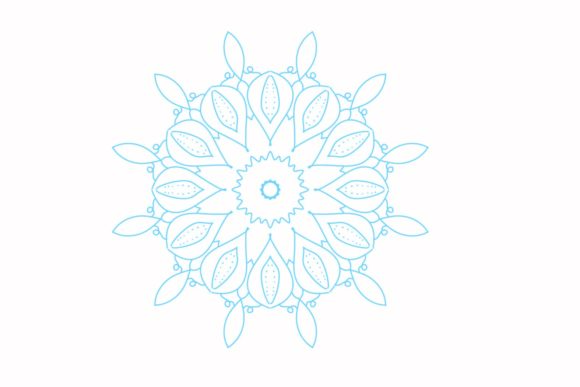
The moment I opened the Mandala Flower design, I was struck by its balance between complexity and clarity. It features symmetrical floral motifs in a classic mandala layout, which instantly evokes a sense of mindfulness, spirituality, and organic beauty. The lines are detailed yet not overwhelming, and the overall composition feels intentional and elegant.
This kind of design naturally aligns with projects like handmade business branding, wellness campaigns, or creative marketplaces targeting a bohemian or nature-loving audience. Its visual language is soft, flowing, and rich in symbolism—perfect for clients who want to convey warmth, authenticity, and artistry through their visuals.
Real-World Application: From Logo Concepts to Merchandise Mockups
I tested the Mandala Flower across several use cases to evaluate how it performed in different design contexts:
- Logo Design: While the design itself isn’t minimal enough to function as a standalone logo, it makes a great supporting element. For example, it could be layered subtly behind a primary logotype in a brand identity package for a yoga studio or herbal tea line.
- Brand Identity: When paired with a muted color palette and clean typography, the mandala adds a touch of sophistication without clashing with modern design elements. It works especially well for small business branding where a personal and artistic touch is desired.
- Product Labels & Packaging Design: On product labels for bath bombs, candles, or artisanal skincare items, the mandala acts as a decorative accent that enhances the perceived value of the item. Its repetition potential also makes it suitable for wrapping paper or fabric-based packaging.
- Posters and Flyers: The design shines when used in larger formats. Placed at the top or bottom corner of a poster for a local festival or retreat, it complements the event’s theme and helps establish a cohesive visual mood.
- Sticker Design and T-Shirt Graphics: In digital stickers or t-shirt designs, the Mandala Flower brings a unique flair. It's particularly effective for Etsy shops or print-on-demand businesses offering spiritual-themed apparel or accessories.
- Merchandise Mockups: When previewing tote bags, mugs, or greeting cards in a product mockup, this asset adds an eye-catching detail that stands out while remaining versatile enough to blend with various styles.
Design Flexibility Across Platforms
One of the key strengths of the Mandala Flower is its adaptability. Whether you're working on web design, editorial layouts, or social media graphics, this illustration has the potential to enhance the visual narrative. I found it especially useful for Pinterest pins and Instagram posts where ornate details can help your content stand out in a crowded feed.
Its file formats include AI, SVG, transparent PNG, and JPG. This variety ensures flexibility for both vector editing and raster use. As a designer, I appreciate having access to high-quality editable files for customizing colors or scaling without losing resolution.
Where It Works Best: Large Layouts and Themed Collections
Mandala Flower excels in situations where there's room to breathe. It’s ideal for large layout areas such as hero banners, background textures in Canva templates, or printable wall art. In these settings, the design doesn’t compete with other elements but instead supports the overall atmosphere of the piece.
For themed collections—like a summer line of clothing or a collection of eco-friendly products—the mandala becomes a recurring motif that ties everything together. It’s also great for creating visual consistency across marketing visuals and packaging, helping reinforce brand recognition over time.
Use It Carefully: Avoid Overcomplication and Low Contrast
While Mandala Flower is visually appealing, it requires thoughtful placement. In smaller sizes, such as favicon dimensions or micrographics, the intricate details can become muddy or illegible. Similarly, if you place it on a busy or patterned background, the design might lose its elegance and become distracting.
I recommend avoiding it in minimalist branding scenarios or corporate materials where a sleek, no-fuss look is required. The design leans toward a more expressive and decorative style, which may not suit all professional environments. Always consider the visual hierarchy and ensure the mandala doesn't overshadow the core message of your design.
Readability and Emotional Appeal in Design Work
When using Mandala Flower in text-heavy layouts like invitations or blog headers, I made sure to keep typography simple and legible. Pairing it with a serif font or a clean sans-serif helped maintain readability while still allowing the mandala to add character. It doesn’t interfere with the legibility of copy when used appropriately, but it does require careful spacing and contrast management.
Emotionally, the mandala contributes a calming effect. Clients in the wellness or lifestyle space often seek imagery that resonates with peace, harmony, and creativity. This design can evoke those feelings effectively, especially when used in subtle tones or as a watermark.
Aesthetic Harmony and Brand Consistency
Brand consistency is crucial, and I evaluated whether the Mandala Flower would support or disrupt a brand’s existing visual system. In the case of the handmade boutique I was designing for, the mandala fit perfectly within their established style of earthy tones and hand-drawn illustrations. It added a layer of cohesiveness to their product line, making each item feel part of a curated collection rather than random offerings.
However, if the brand’s identity leaned heavily on geometric shapes or monochrome schemes, the mandala might feel out of place. Always check how the asset interacts with your client’s current branding before committing to it in commercial design work.
Practical Designer Notes: What to Test Before Going Live
- Black and White Testing: I converted the Mandala Flower to grayscale to see if it retained its visual appeal. It did, though some of the softer gradients lost impact. Still, it worked well as a tonal element.
- Contrast Evaluation: I placed it against both light and dark backgrounds. On darker hues, it stood out beautifully; on lighter ones, I had to adjust opacity or add a slight stroke to maintain visibility.
- Size Variations: Previewing the design at 50px versus 500px revealed that it maintains its quality at large sizes but needs simplification for smaller uses like icons or app buttons.
- Mockup Integration: Using the PNG version on a t-shirt mockup showed that the design looks best centered or framed with negative space to let it "breathe."
- Print Quality Check: Printing the design on fabric and paper confirmed that the file quality holds up well, especially when using CMYK conversions for accurate color representation.
- File Format Review: The AI and SVG versions allowed me to easily recolor the mandala to match specific brand palettes. Transparency in the PNG file was spot-on, with no fringing or artifacts.
- Font Pairing Experimentation: I tested it with various fonts—serif, sans-serif, script, handwritten, and display—and found it pairs best with cursive or semi-floral typefaces for maximum cohesion.
- Commercial License Confirmation: Before finalizing the design for client use, I verified the commercial license terms to ensure it could be safely used across multiple platforms and products.
Why Mandala Flower Is a Valuable Creative Asset
In the context of a real-world project for a handmade brand launching new products, Mandala Flower proved to be a valuable addition to the creative toolkit. It helped create a warm, inviting visual language that resonated with the target audience—those seeking authentic, nature-inspired goods.
Its presence in social media graphics, product listings, and even packaging design improved the emotional appeal and professionalism of the final deliverables. It wasn’t just decorative; it played a role in building trust and familiarity with the brand. That’s the mark of a strong graphic design asset—it doesn’t just look good; it communicates something meaningful.
Final Thoughts: A Thoughtful Addition to Your Design Bundle
Overall, Mandala Flower is a solid choice for designers looking to inject a bit of soul into their creative projects. Whether you’re crafting a new design bundle for an Etsy shop or enhancing the mood of a seasonal campaign, this asset has the versatility and charm to make a difference.
Just remember to use it wisely. Don’t force it into every design situation, and always consider the audience and purpose of the project. With the right approach, Mandala Flower can be a standout feature in your next creative marketplace listing, print-on-demand product, or branded editorial layout.