House Plant SVG: A Versatile Graphic Design Asset for Content Creators
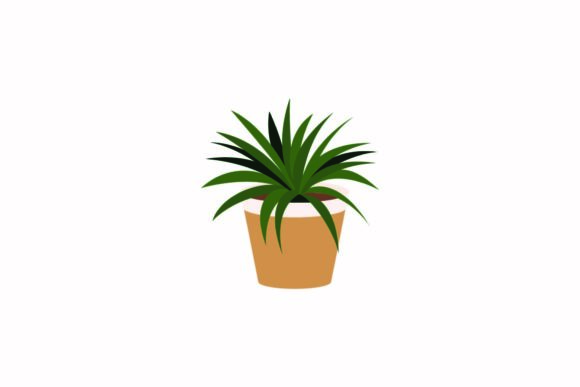
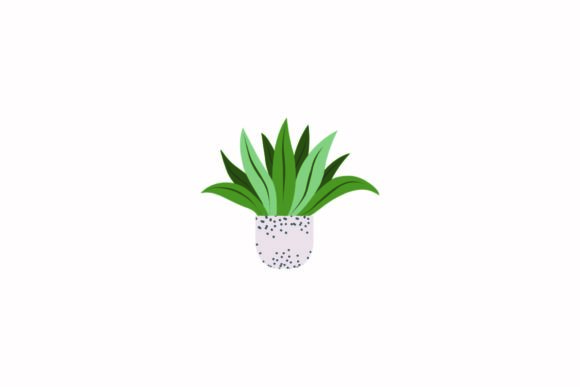
As a seasoned blog designer and digital publisher, I’m always on the lookout for graphic design assets that elevate the visual appeal of content without overshadowing its message. When I first encountered House Plant SVG, I was immediately drawn to its clean lines, organic feel, and subtle charm. This illustration graphic offers a fresh take on botanical themes, making it ideal for lifestyle, wellness, and home décor niches. It doesn’t scream at the reader; instead, it invites them in with a soft, modern aesthetic that aligns well with editorial quality visuals.
First Impressions and Editorial Mood
The House Plant SVG feels like a perfect fit for blogs and websites aiming to communicate warmth, creativity, and a touch of nature. Its style is neither overly playful nor too professional—it strikes a balance between approachable and polished. The design has an artistic yet structured look that supports both educational and decorative content formats. Whether you're building a seasonal guide or designing a category thumbnail, this asset can subtly reinforce the theme while maintaining a sense of sophistication.
Supported Niches and Content Types
- Lifestyle and Home Blogs: The botanical motif works beautifully for posts about interior design, plant care tips, or DIY projects.
- Wellness and Self-Care Sites: House plants are often associated with mindfulness, calm, and natural living—making this SVG a great addition to digital guides or downloadable printables.
- Editorial Layouts: Use it as a background element or overlay in article headers to add depth and interest without cluttering the page.
- Affiliate Marketing Resources: Pair the SVG with product recommendations or lead magnets to create visually appealing calls to action.
Real Publishing Workflow Integration
Let’s walk through how House Plant SVG could be used across different publishing platforms. Imagine you’re preparing a featured image for a new post titled “5 Low-Maintenance Plants for Beginners.” Using this SVG in the corner of your design adds a layer of visual interest and thematic consistency. Since it's available in multiple file types—including AI, EPS, SVG, DXF, JPG, and PNG—you have the flexibility to edit it directly in vector software or use it as a high-quality raster for web display.
On Pinterest, where visuals drive engagement, this SVG can be layered behind text overlays to help your pins stand out from the crowd. For newsletter banners, it brings a refreshing, green-centric energy that can enhance open rates by creating stronger first impressions. And when incorporated into Canva templates, it becomes a go-to design asset for quick, attractive graphics tailored to a specific brand identity.
Design Flexibility Across Platforms
The versatility of this SVG makes it suitable for:
- Website headers with a modern, minimal layout
- Social media previews for Instagram or Facebook
- Lead magnet covers for digital downloads like PDF checklists or worksheets
- Content marketing materials such as email campaigns or eBook thumbnails
- Category thumbnails or section dividers in editorial layouts
Each format type allows for easy adaptation depending on the platform and context. Whether you need a scalable vector for editing or a crisp PNG for fast loading, House Plant SVG delivers a consistent and professional result.
Boosting Visual Hierarchy and Brand Consistency
One of the key strengths of this illustration graphic is its ability to support visual hierarchy. When placed strategically within a blog graphic or website header, it helps draw attention to important elements such as headlines or CTA buttons. It also contributes to a more cohesive brand identity, especially if your site uses a lot of green tones or nature-inspired themes.
For example, using House Plant SVG alongside a bold sans serif font can create a strong contrast that improves readability and click-through potential. In a Canva template, it might serve as a repeating pattern or border element to frame content upgrades like printable planners or digital guides. These small touches add up to a stronger visual identity and better user experience.
Performance-Driven Design Choices
Incorporating this SVG into your content strategy can lead to several performance benefits:
- Stronger First Impression: Clean, intentional design grabs attention faster and keeps readers engaged.
- Better Click-Through Potential: Visually appealing graphics increase the likelihood of users clicking on articles or affiliate links.
- Improved Reader Trust: Professional-looking blog graphics and website banners signal credibility and attention to detail.
- Enhanced Category Recognition: Using the same botanical theme across multiple sections or categories builds familiarity and brand recognition.
Whether you're crafting social media graphics or optimizing your website for SEO, House Plant SVG provides a subtle but impactful way to improve the overall polish of your content pages.
Where to Use House Plant SVG Most Effectively
This graphic design asset shines in several areas of content publishing:
- Hero Images: As a background accent or foreground element, it adds a natural touch that enhances the mood.
- Article Thumbnails: On sites like Medium or Substack, it helps your content stand out in feeds and archives.
- Pinterest Pins: With its clear shape and color options, it integrates well into vertical layouts with text overlays.
- Content Upgrades: Add it to lead magnets or digital downloads to make them feel more valuable and professionally designed.
- Newsletter Headers: It brings a warm, inviting tone to your email designs, especially when paired with handwritten or script fonts.
I’ve found that using it in combination with other design assets—like abstract patterns or geometric icons—can create a layered, editorial feel that works well for long-form content marketing pieces or online courses.
Use Cases Where Caution Is Advised
While House Plant SVG is incredibly versatile, there are situations where it may not be the best choice:
- Small Mobile Thumbnails: At lower resolutions, intricate details may get lost or appear blurry.
- Text-Heavy Blog Images: If your design relies heavily on text, avoid overusing this SVG so it doesn’t compete for attention.
- Low-Contrast Backgrounds: Ensure the design is visible and readable when placed against muted or pastel tones.
- BUSY LAYOUTS: In highly detailed or complex compositions, this SVG could become visually overwhelming.
- Corporate or Minimalist Websites: While adaptable, the botanical theme may not suit all branding styles—especially those leaning toward a very serious or ultra-modern aesthetic.
It’s always wise to test the SVG in various contexts. Preview it inside a real blog layout before finalizing your site design. See how it looks next to different font styles—serif, sans serif, script, display—to ensure it complements your typography rather than clashing with it.
Practical Publisher Notes
To get the most out of House Plant SVG, keep these tips in mind:
- Test on Desktop and Mobile Screens: Make sure the design remains legible and aesthetically pleasing across devices.
- Check Thumbnail Performance: How does it render when shrunk down? Will it still convey the intended message?
- Review File Size for Web Performance: Optimize images properly to maintain fast load times, especially for blog graphics and social media visuals.
- Confirm Commercial Licensing: Before using it on monetized websites, affiliate marketing pages, or paid digital products, verify that you have the appropriate commercial license.
Also consider experimenting with black-and-white versions for grayscale displays or printed materials. You might find that the simplicity of the line work enhances its impact in unexpected ways.
Final Thoughts on Editorial and Web Design Value
In my experience, a good design asset isn’t just about looking nice—it needs to serve the content and audience it represents. House Plant SVG does this by offering a flexible, visually rich option for bloggers, publishers, and marketers who want their content to feel fresh and trustworthy. It’s not just an icon or a decorative graphic; it’s a thoughtful addition to any creative design toolkit.
When integrated carefully into your editorial design and web design workflows, this asset can help you create more engaging, professional-looking content. From blog headers to downloadable resources, it adds a touch of personality without compromising clarity or usability.